Understanding the Legal Process: Preparing for Court Without a Lawyer
Imagine you're sitting in a courtroom. The attorneys up front are shuffling papers, reviewing notes, preparing to present arguments they've spent hours crafting. Then someone walks in alone. They're wearing their Sunday best. They don't have a legal pad or a file folder with tabs—they have a phone full of screenshots and a stack of papers they printed last night. They have a good case, they may even be in the right. But they have a full life, and they could not afford an attorney. So they took time off work to be here. They may have missed their kid's baseball game or gymnastics meet just to prepare. I've watched this play out more times than I can count—it is why I started this firm.

Rich Gittings
7 min read
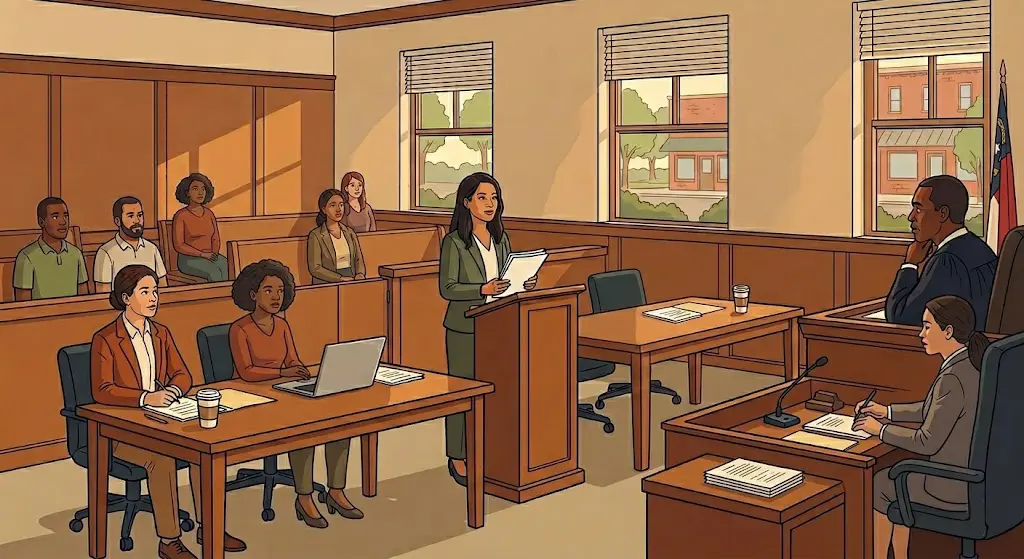
Most people who walk into a North Carolina courtroom without a lawyer are not there by choice. They are there because hiring an attorney was not an option—or because their case seemed simple enough to handle alone. Either way, the courtroom does not adjust its expectations. The rules, the procedures, the language—all of it applies to you the same way it applies to a lawyer who has done this hundreds of times.
Here's what that actually means: judges in North Carolina will give you some leeway as a self-represented party, but they cannot give you legal advice from the bench, and they cannot ignore the rules on your behalf. If you miss a filing deadline, your case can be dismissed. If you bring the wrong documents, the judge may not be able to consider your evidence. If you don't know how to object, the other side's attorney can present things that shouldn't be in front of the judge—and you won't know it happened.
That is not meant to scare you out of representing yourself. It is meant to make clear that preparation is the difference between walking in ready and walking in hoping it works out. This guide covers what you need to do before your court date so that when you stand up and speak, you are presenting a case—not just telling your story.
Know What Kind of Case You Have
The type of case determines the court you will be in, the rules you must follow, the legal claim you are making, and what the judge can do for you. Small claims courts handle disputes up to $10,000—many landlord/tenant matters, property damage claims, and debt collection cases land here. District court hears family law situations like custody, child support, or protective orders, while District criminal court handles misdemeanor charges. Each track runs on its own process: small claims is informal and fast, family law sprawls over months, and criminal matters carry constitutional protections that change how everything works.
Before doing anything else, answer these three questions clearly: What court is my case in? What specific legal claim or charge am I facing? What facts do I need to prove or disprove to win? If you cannot answer those, you are not ready to step into the courtroom—start here, because everything else builds on this foundation.
Understand What You Need to Prove
Every case has a standard for how convincing your evidence must be. Most civil cases in North Carolina use preponderance of the evidence, which means your facts only need to tip the scale slightly in your favor—show that your version is more likely true than not. Criminal cases demand a much higher bar: beyond a reasonable doubt. Representing yourself in a criminal matter is risky; if at all possible, get legal representation, because a conviction impacts employment, housing, custody, and freedom.
For civil matters, sit down and write: what facts must the judge believe, and what documents, photos, messages, or witnesses prove each one? Fact by fact, list the supporting evidence. Judges will not credit what lacks proof, no matter how true it feels.
Get Your Documents Ready—All of Them
Courts run on paperwork. The single biggest mistake self-represented parties make is having the right story and the wrong paperwork. Collect everything relevant: contracts, leases, texts, emails, photos, medical records, pay stubs, receipts, inspection reports, police reports—whatever applies. Do not edit early; gather first, then organize.
Make three copies of everything: one for you, one for the judge, one for the opposing party. If you hand the judge a document without giving the other side a copy, the judge will likely refuse to read it. North Carolina courts expect both sides to see and respond to every piece of evidence.
Organize chronologically, label or tab so you can quickly point to “page 12 of my packet,” and prepare your exhibits ahead of time. Every document you plan to show—photos, texts, contracts—should be printed, labeled (Exhibit A, Exhibit B), and ready. If evidence lives on your phone, print the full thread with timestamps instead of planning on showing the judge your screen.
Know the Deadlines That Can End Your Case
North Carolina courts enforce deadlines. Miss one and you may lose your right to respond, present evidence, or even keep your case alive.
- If you were served with a complaint, you usually have 30 days to file a written answer. Miss that window and the court can grant a default judgment simply because you did not respond.
- If you are the one filing, confirm the statute of limitations for your claim—personal injury typically has three years, contract disputes have their own timelines. File after the clock runs out and the court will dismiss your case before it starts.
- If you have a hearing, call the clerk or check online to confirm the date. Hearings move, and you may not receive notice of every change.
Learn How to Present Yourself
This is not about theatrics—it's about removing distractions so the judge focuses on your case.
- Address the judge as “Your Honor.” Stand when speaking. Sit when you are not presenting. When in doubt, stand.
- Dress like you are going to a job interview: clean, simple, professional, with no large logos or slogans.
- Do not interrupt. Write down points you want to respond to and wait for your opportunity. Interrupting damages credibility more than any argument the other side makes.
- Check your court's phone policy before the hearing. If phones are prohibited, have your evidence printed as a backup.
Practice What You Are Going to Say
You will likely have limited time and attention. In small claims, you may only get 15–20 minutes total. The judge will not sit through your entire history—give the short version that connects the facts, the law, and what you are asking the judge to do.
Structure it simply: what happened, why it was wrong (which law or agreement was violated), the evidence you have, and what remedy you want. Practice out loud, time yourself, and cut anything longer than five minutes. Lead with your strongest facts—the judge can ask follow-up questions.
Consider what the other side will say. What are their best arguments? What facts will they emphasize? What will they say about your evidence? Prepare responses to the three strongest obvious points so the surprises are minimized.
Know When Self-Representation Reaches Its Limit
There is no shame in representing yourself, and there is also no shame in recognizing when you need help. If your case involves complex legal issues, significant money, child custody, or criminal charges that carry jail time, the stakes are high enough that even limited help can change the outcome.
Many attorneys, including our team at North Carolina Legal Services, offer limited-scope representation—reviewing documents, advising on strategy, or helping you prepare without taking over the whole case. That middle ground exists and is worth exploring before your court date.
If any of this feels overwhelming, or if you are not sure whether your case is one you can handle alone, schedule a consultation here. Before your appointment, see our guide on how to prepare for your legal consultation to make the most of your time. A conversation about your case is not a commitment to hiring a lawyer—it is a way to find out what you are actually facing and what your options are.
If you work with people navigating the court system—advocates, case managers, social workers, or community organizers—please share this guide. The people who need it most are often the ones with the least access to legal information before their court date.